
Department Details
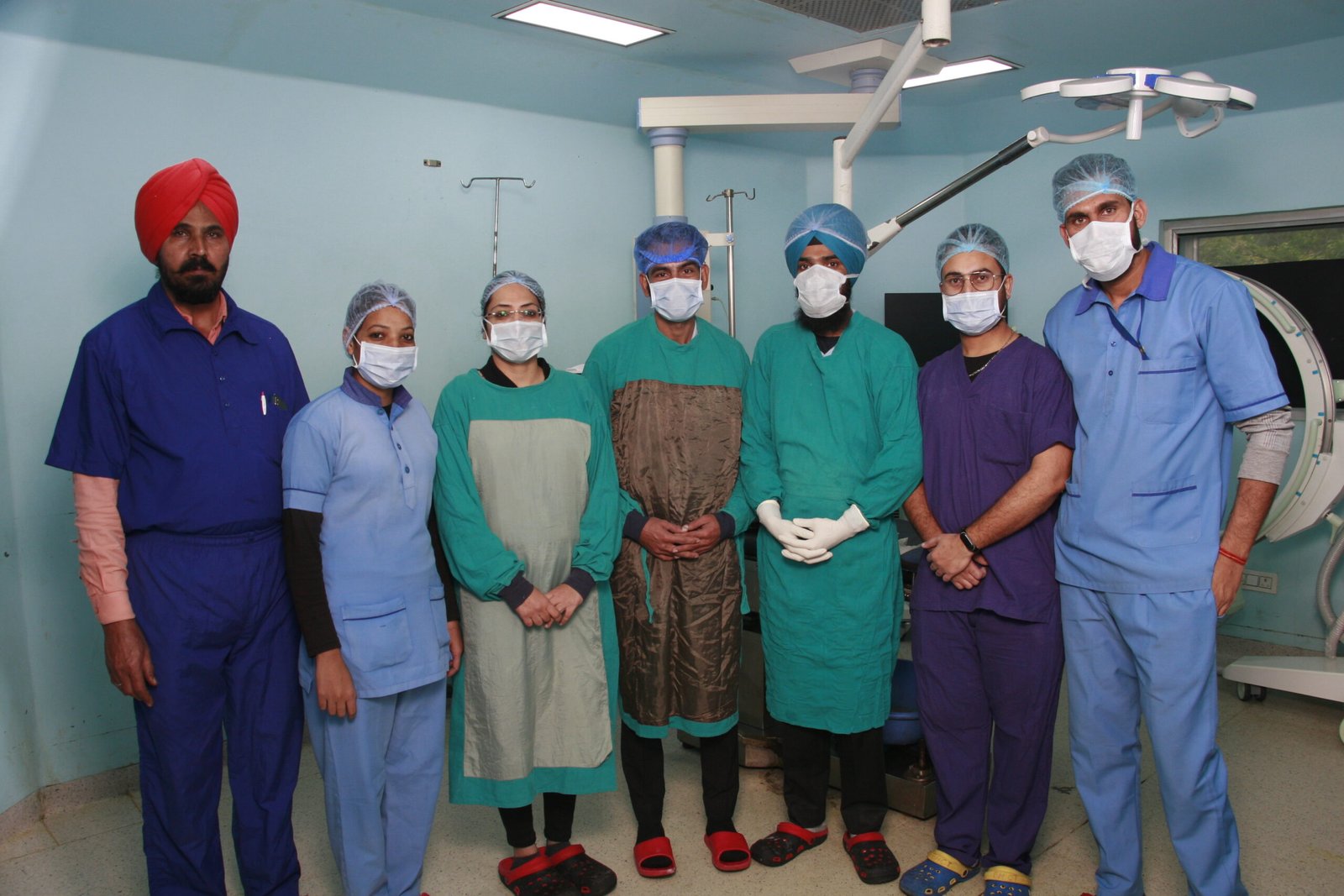
About Plastic Surgery & Reconstructive
Plastic surgery has two main components: reconstructive plastic surgery which is all about restoring function and appearance to the human body after illness or accident and aesthetic (often called “cosmetic”) plastic surgery, which is primarily to change the appearance from choice.
Modern surgery has developed to such an extent that the body of knowledge and technical skills required have led to surgeons specialising in particular areas, usually an anatomical area of the body or occasionally in a particular technique or type of patient.
or
Plastic surgery is focused on the reconstruction or restoration of the body through surgery and has two types of procedures: reconstructive and cosmetic. Reconstructive surgery is the most common kind of plastic surgery. Patients seeking reconstructive surgery are looking to reconstruct birth defects, injuries gained through trauma or disease, or to correct dysfunctional areas of the body. Meanwhile, cosmetic plastic surgery is related to surgeries that modify or enhance a patient’s appearance when appeal, symmetry, and proportion are the desired outcome. Plastic surgeons can perform both reconstructive and cosmetic surgeries. However, surgeons hoping to perform cosmetic surgery will need additional training after residency.
Health Tips & Info
1. SUN PROTECTION
Many cosmetic procedures (both surgical and non-surgical) can leave the skin damaged and vulnerable, making it more susceptible to damage from prolonged sun exposure. Shielding the skin from UV rays is especially important to reduce scars as incision sites heal. So, make sure to practice sound sun care: wear a high SPF sunscreen, avoid being outdoors around peak UV hours, and wear sunglasses and wide-brimmed hats.
2. SKIN CARE
Follow a good daily skincare regimen using high-quality products formulated for your specific skin type. Cleansing, moisturizing, and exfoliating are all necessary to keep your skin looking young and healthy.
3. EAT HEALTHILY
To maintain the results of liposuction or abdominoplasty, patients must maintain their post-procedure weight. Eating a healthy and balanced diet is probably the most important factor in staying fit.
Try to avoid eating processed foods that are often high in saturated fats and sugars. Instead, opt for a balanced diet consisting of fruits, vegetables, whole grains, and lean protein along with a moderate amount of dairy.
4. EXERCISE REGULARLY
Alongside a healthy diet, patients will need to exercise regularly to keep their newly contoured bodies. Try to exercise for 30-60 minutes each day, giving yourself an occasional rest day. After their procedure, patients may need to start slow and build up to their pre-procedure routine.
5. STOP SMOKING
With its long list of health risks, smoking is always discouraged. However, it is even more important to stop smoking if you are considering plastic surgery, as it can significantly delay the healing process and lead to other complications, including problems during surgery.
6. DRINK WATER
Staying properly hydrated while recovering from your procedure is an important part of helping your body heal. However, patients should continue to drink lots of water daily to improve their metabolism and keep their skin looking its best. Drink at least 8 eight-ounce glasses over the course of a day (more if you undertake physical activities).
Related Doctors
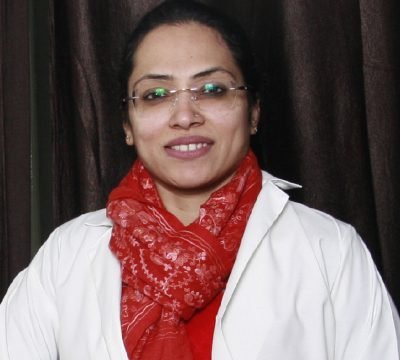
Dr. Jyoti Bhalla
Plastic Surgery
DR. JYOTI BHALLA M.Ch, Burns Plastic and Maxillofacial Surgery Ex. VMMC & Safdarjung Hospital, New Delhi MBBS from GMC Amritsar, MS Gen Surgery from GMC Patiala.
Departments
Contact Us
- Bibi Wala Road, Near DAV College, Bathinda, India, Punjab region
- 0164 221 6411
- Badyal.hospital@yahoo.com
